
FEBRUARY 17-19, 2027
Agenda
View the full agenda to explore emerging trends, gain actionable insights, and collaborate with leading experts across multi-disciplinary sessions throughout the 19th annual symposium.
Agenda
Please note that all times are in PCT. All symposium sessions will be available to in-person and livestream viewers. Pre-conference sessions are in-person only.
Speakers and sessions are subject to change.
To ensure a comprehensive and engaging experience, attendees are asked to remain within their selected track throughout the day. Switching between tracks is not permitted.
Train the Trainer: Emergency SRP/SRM
Pre-Conference Opens
8:30 AM

Kevin Burd
Training Director
I Love U Guys Foundation
Introductions & Foundation History
Participants will receive an overview and schedule of the SRP/SRM Seminar. Participants will complete administrative requirements, including registration and training rosters, and conduct introductions.
At the conclusion of this unit, participants will be able to:
- State the goal and summarize objectives for the course,
- Describe the course schedule and complete administrative requirements,
- Describe how participant performance is evaluated, and
- Understand relational coordination theory and the importance of knowing who is in the room and what their role is.
SRP Classroom Training
9:00 AM – 11:30 AM
Participants will receive the Classroom Training Presentation of the Standard Response Protocol.
At the conclusion of this unit, participants will be able to:
- State a brief history of SRP,
- Conduct classroom training, and
- Field relevant questions regarding the SRP.
Morning Break
10:15 AM – 10:30 AM
SRP Resources, Drills and Messaging
11:45 AM – 12:45 PM
Participants will receive an overview of the Standard Response Protocol and will gain an understanding of how and why the SRP should be used as an all-hazards school safety enhancement.
At the conclusion of this unit, participants will be able to:
- State a brief history of SRP,
- Understand the reasoning behind the program,
- Recognize how it can be used in managing daily operational school-based events, and
- Recognize the need for standard practices
Lunch
12:00 PM – 1:00 PM
Introduction to Incident Command System
2:45 AM – 4:00 PM
Participants will receive a top-level, general understanding of the Incident Command System. While it is based on the online training IS-100ScA available from FEMA, this module is a refreshing look at the basics.
At the conclusion of this unit, participants will be able to:
- State a brief history of NIMS
- Understand basic Incident Command Structure, and
- Recognize how it can be used in managing school-based events.
Introduction to Standard Reunification Method
1:00 PM – 2:30 PM
Participants will receive an overview of the Standard Reunification Method, explore case studies, and understand roles and expectations.
At the conclusion of this unit, participants will be able to:
- State a brief history of SRM,
- Understand the reasoning behind the program, and
- Understand how to plan and conduct a student/parent reunification.
Reunification Exercise
3:00 PM – 4:00 PM
During the three functional exercises, participants will practice the reunification process, including role assignment, set up, and mock reunification of “students” with their “parents or guardians.”
Participants will experience the reunification process as a part of the reunification team, a student, and a parent, and they will learn how to conduct successful reunifications and reunification exercises.
At the conclusion of this unit, participants will be able to:
- Establish the reunification process at the reunification site in accordance with the SRM,
- Appropriately reunite students and parents/guardians,
- Practice the capabilities of the school or district reunification team in coordination with local public safety and emergency response personnel, and
- Identify the roles needed to conduct various types of reunification.
Resources, Administration, Evaluations
Participants will receive instructions on how to locate all SRP and SRM program materials and event updates on iloveuguys.org.
At the conclusion of this unit, participants will be able to:
- Locate SRP and SRM materials on iloveuguys.org,
- Implement the SRP and SRM in their organizations, and
- Provide feedback on the training
Pre-Conference Ends
4:30 PM
Critical Incident Response and Management of a Mass Tragedy: Digital Implications in Today's Threat Assessment World
From Despair to Hope: A Journey of Transformation and Healing
8:30 AM – 9:30 AM

Rodney Nataucappo
Motivational Speaker | Ex-Gang Member | STR8 UP Board Representative
STR8 UP

Chantel Huel
Program Manager
STR8 UP
STR8 UP members Rodney Nataucappo and Chantel Huel share their personal journeys from despair to hope through STR8 UP’s model of healing and transformation.
Two journeys, two stories, and a powerful reminder that personal transformation is possible, and no one is beyond hope.
Session TBD
9:30 AM – 10:15 AM

Rodney Nataucappo
Motivational Speaker | Ex-Gang Member | STR8 UP Board Representative
STR8 UP

Chantel Huel
Program Manager
STR8 UP
STR8 UP members Rodney Nataucappo and Chantel Huel share their personal journeys from despair to hope through STR8 UP’s model of healing and transformation.
Two journeys, two stories, and a powerful reminder that personal transformation is possible, and no one is beyond hope.
Morning Break
10:15 AM – 10:30 AM
More Information Coming Soon!

Dr. Melissa Reeves
Senior Advisor & Trainer
Safer Schools Together
Autism-related communication and behaviors are sometimes misunderstood as indicators of dangerousness. This workshop helps behavioral threat assessment and management teams distinguish autism-related characteristics from behaviors that may indicate movement along a pathway toward violence. Participants will explore how autism may influence communication, emotional expression, social interaction, behavior, and online activity during the threat assessment process.
The workshop also examines Digital Threat Assessment® and vulnerabilities autistic students may experience in online communities, including social isolation, difficulty recognizing deception or manipulation, literal interpretation of online content, and susceptibility to exploitation or recruitment by harmful individuals or groups. Participants will learn to evaluate digital behavior within each student’s developmental, social, and educational context.
Through evidence-informed strategies and case studies, participants will learn how to conduct disability-sensitive interviewing, identify risk and protective factors, recognize relevant digital warning behaviors, and consider appropriate accommodations. These skills support accurate, equitable BTAM decisions while reducing unnecessary restrictive or exclusionary responses and respecting neurodiversity.
Differentiating Autism-Related Behaviors from a True Threat
10:30 AM – 12:00 PM

Dr. Melissa Reeves
Senior Advisor & Trainer
Safer Schools Together
Autism-related communication and behaviors are sometimes misunderstood as indicators of dangerousness. This workshop helps behavioral threat assessment and management teams distinguish autism-related characteristics from behaviors that may indicate movement along a pathway toward violence. Participants will explore how autism may influence communication, emotional expression, social interaction, behavior, and online activity during the threat assessment process.
The workshop also examines Digital Threat Assessment® and vulnerabilities autistic students may experience in online communities, including social isolation, difficulty recognizing deception or manipulation, literal interpretation of online content, and susceptibility to exploitation or recruitment by harmful individuals or groups. Participants will learn to evaluate digital behavior within each student’s developmental, social, and educational context.
Through evidence-informed strategies and case studies, participants will learn how to conduct disability-sensitive interviewing, identify risk and protective factors, recognize relevant digital warning behaviors, and consider appropriate accommodations. These skills support accurate, equitable BTAM decisions while reducing unnecessary restrictive or exclusionary responses and respecting neurodiversity.
Lunch
12:00 PM – 1:00 PM
Navigating Complex Critical Incidents: A Trauma-Informed Framework Following a Mass School Tragedy Event
1:00 PM – 4:30 PM

Theresa Campbell
Founder & Chief Executive Officer
Safer Schools Together

Jen Chambers
Senior Trauma & Behavioral Threat Assessment Management Advisor
Safer Schools Together
Strengthen your Critical Incident Response and Management through a trauma-informed approach that promotes a unified and equitable response across your community.
Grounded in SST’s firsthand experience across Canada, this specialized pre-conference is designed to assist your teams navigating complex critical incidents with intentional care and consistent practices, demonstrating the necessity to continue expanding their knowledge of trauma-informed response strategies. Led by SST’s Theresa Campbell and Jen Chambers, we will explore new best practices, including Locker and Digital Reunification™ in the aftermath of a tragic event, as well as the valuable outcomes and potential challenges of establishing a memorial, the importance of community partnerships, intentional post-trauma connections, and much more. Equip your team with the tools and resources needed to promote unity, resilience, and trauma-informed care when it matters most/ in the aftermath of a critical incident.
More Information Coming Soon!
1:00 PM – 4:30 PM

Theresa Campbell
Founder & Chief Executive Officer
Safer Schools Together

Jen Chambers
Senior Trauma & Behavioral Threat Assessment Management Advisor
Safer Schools Together
Strengthen your Critical Incident Response and Management through a trauma-informed approach that promotes a unified and equitable response across your community.
Grounded in SST’s firsthand experience across Canada, this specialized pre-conference is designed to assist your teams navigating complex critical incidents with intentional care and consistent practices, demonstrating the necessity to continue expanding their knowledge of trauma-informed response strategies. Led by SST’s Theresa Campbell and Jen Chambers, we will explore new best practices, including Locker and Digital Reunification™ in the aftermath of a tragic event, as well as the valuable outcomes and potential challenges of establishing a memorial, the importance of community partnerships, intentional post-trauma connections, and much more. Equip your team with the tools and resources needed to promote unity, resilience, and trauma-informed care when it matters most/ in the aftermath of a critical incident.
Welcome & Opening Remarks
8:00 AM – 8:30 AM

Theresa Campbell
Founder & Chief Executive Officer
Safer Schools Together

Gordon Stokes
Constable
Vancouver Police Department

Steve Rai
Chief of Police
Vancouver Police Department
KEYNOTE
Ennobilizing: Gang Members Finding Their True Selves in a Community of Tenderness
9:00 AM – 10:00 AM

Father Gregory Boyle
Priest & Founder
Homeboy Industries
Gregory Boyle, founder of Homeboy Industries in Los Angeles, the largest gang intervention, rehabilitation, and reentry program in the world, will talk about the work of ennobilizing that Homeboy Industries does—fostering a community of tenderness in which gang members discover and become their true selves. If love is the answer, community is the context and tenderness the methodology. Ennobilization is not about saving lives, but about our own willingness to be reached and transformed by the poor, the easily despised and demonized, so that the demonizing stops.
KEYNOTE
The Latin American Syndicate Threat to Canada
10:00 AM – 11:00 AM

Lawrence Lujan
Commander
Major Crimes Division – Homicide, Crimes Against Children, Financial Crime, and the Crime Scene Unit, Texas Police Department
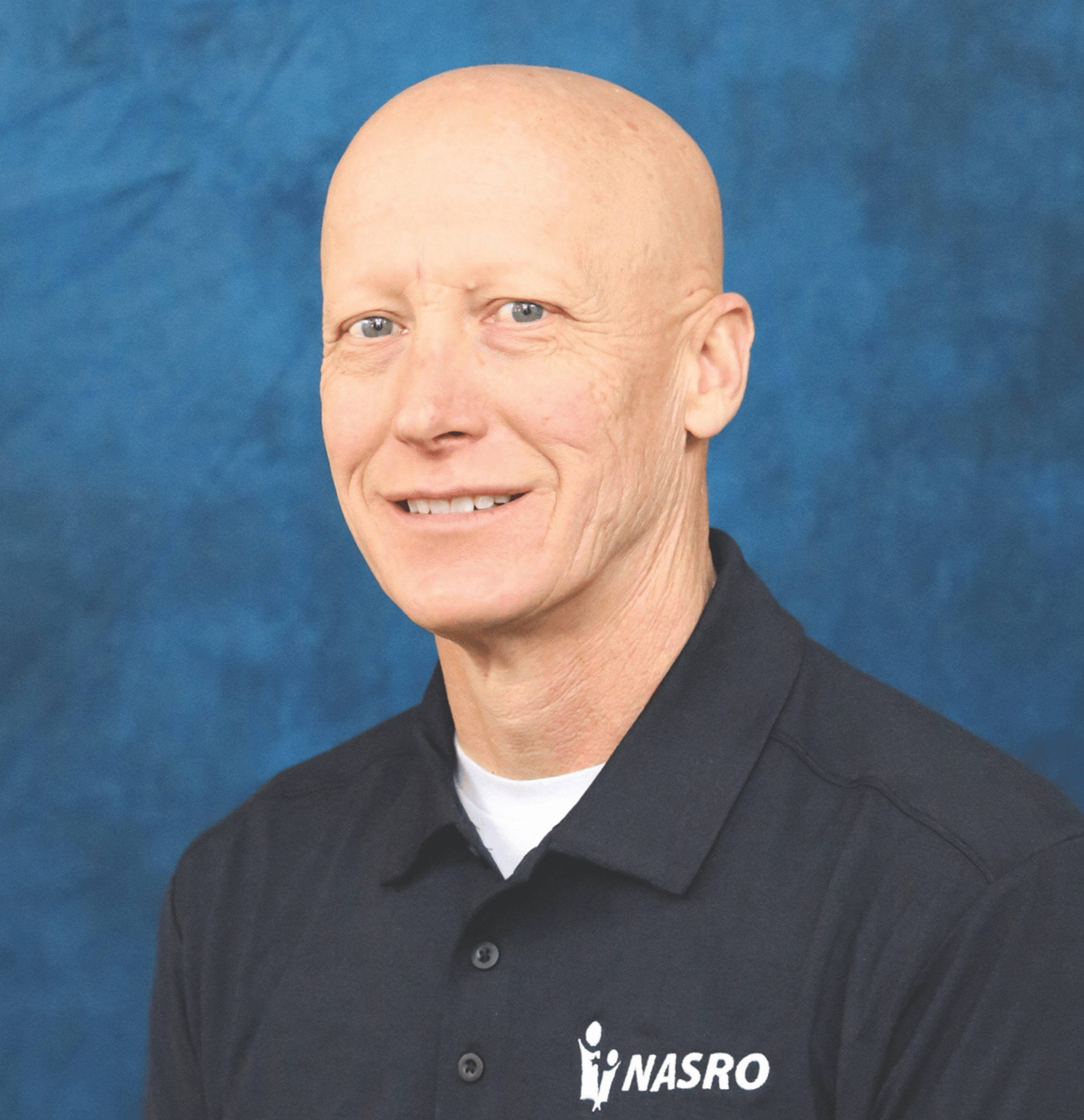
Organized crime and gangs prey upon citizens and exploit our communities. These groups commit murder, rape, extortion, assault, deal drugs, and radicalize our youth. Structural, social, and economic issues like poverty, inequality, and unemployment contribute to immigrant populations fleeing their nations in search of hope in new countries. Sadly, organized crime and gangs see opportunity in these mass migrations, embedding themselves in the new migrant communities. They then expand their criminal enterprises in the new communities and spread fear and violence. This discussion will provide an overview of known Latin American Syndicates that have found footholds in Canada. It will also provide methods of identification and provide strategies for response.
Morning Break
11:00 AM – 11:15 AM
The Day We Train For
11:15 AM – 12:15 PM

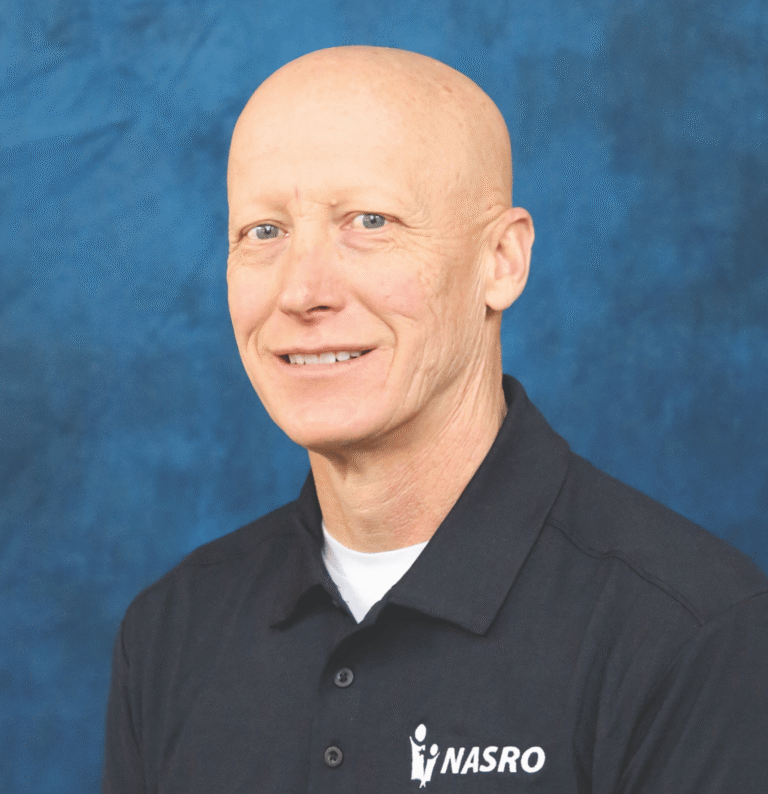
James Englert
President
National Association of School Resource Officers
The day we train for…and things you don’t expect. Hear the details of the shooting at Arapahoe High School in Centennial from the SRO on scene. What events occurred prior to 12/13/13. Hear dispatch tapes from during the event and tactics used. Learn what worked and didn’t work during the lockdown and reunification. Hear directly from the Deputy that was on scene. Join us for an in-depth, firsthand account of the Arapahoe High School shooting in Centennial. Hear directly from the School Resource Officer who was on scene as he walks through the critical events leading up to December 13, 2013. Experience actual dispatch audio from the incident, gain insight into the tactics used, and learn what proved effective—and what didn’t—during the lockdown and reunification process. This is a rare opportunity to learn from the deputy who lived.
Lunch
12:15 PM – 1:00 PM
1:00 PM – 2:30 PM
Hidden in Plain Sight: Identifying Vehicle Voids and Hidden Compartments

Frank Grosspietsch
Consultant & Firearms-Related Investigations
Safer Schools Together

Jeff Kaye
President & Founder
School Safety Operations Inc.
Criminals are increasingly using sophisticated concealment methods to transport and store drugs, currency, and weapons. While hidden compartments are not new to organized crime, law enforcement is encountering them more frequently. This presentation will highlight this growing trend, focusing on common vehicle voids and outlining the key indicators that will help officers detect hidden compartments during investigations.
The Intersection of School Suicide Risk Screening and Behavioral Threat Assessment & Management

Dr. Melissa Reeves
Senior Advisor & Trainer
Safer Schools Together
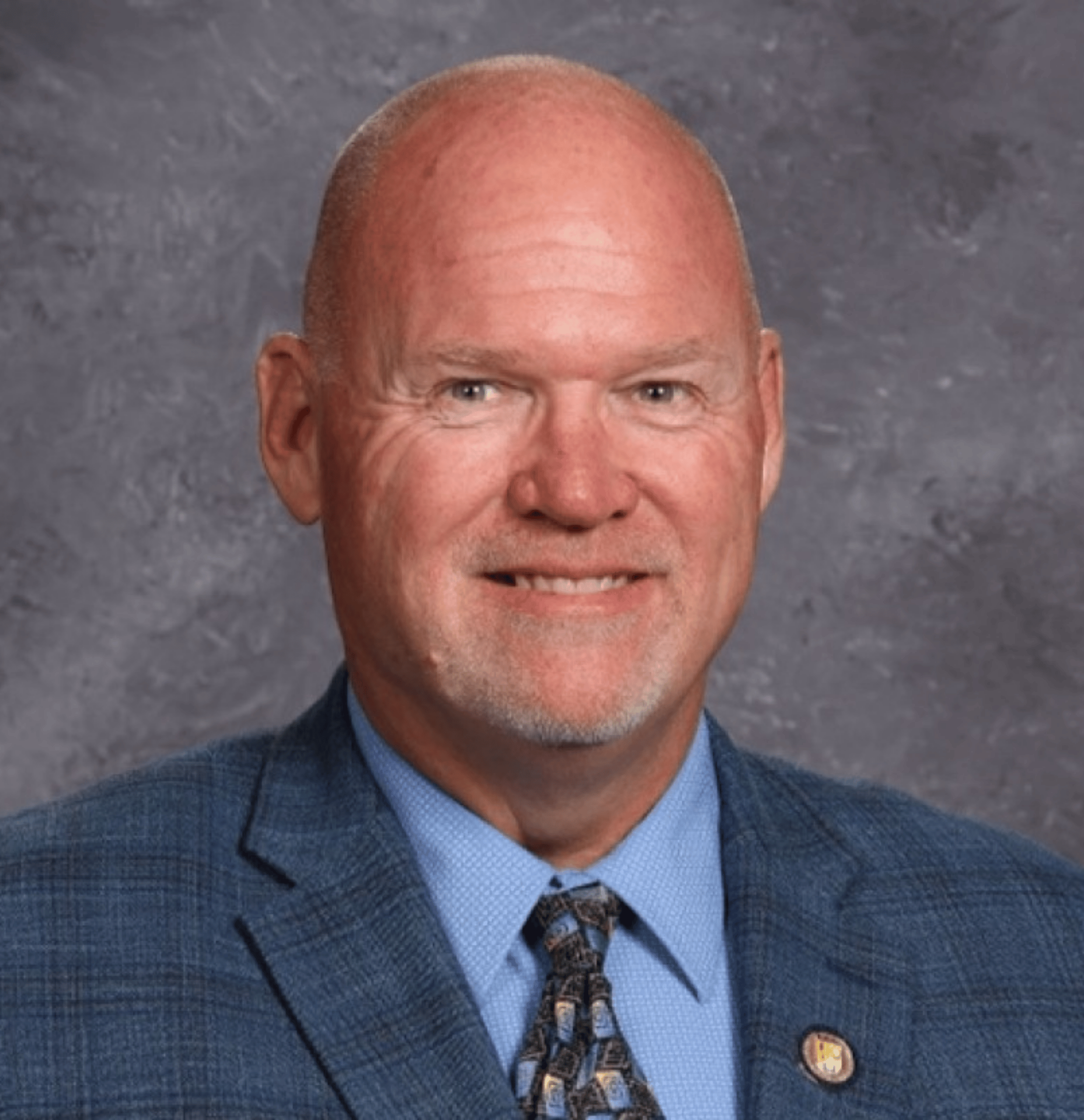
This workshop explores the shared and distinct aspects of assessing and responding to suicidal and homicidal ideation in students. While both can represent last-resort coping behaviors that sometimes require a combined suicide risk and behavioral threat assessment, the two processes are not interchangeable. The session clarifies when a dual assessment is appropriate, emphasizing that suicide risk screening is often included in BTAM protocols, but threat assessment should not automatically accompany every suicide concern. Participants will learn how to determine when a combined approach is warranted, what it entails, and how to develop safety plans that address both suicidal and homicidal ideation.
Afternoon Break
2:30 PM – 2:45 PM
Radicalized Communities: Decoding Digital Leakage to Prevent Real-World Tragedy
2:45 AM – 4:00 PM

Mike Johnson
Director of School Safety
Hamilton Southeastern Schools

Theresa Campbell
Founder & Chief Executive Officer
Safer Schools Together

Steven MacDonald
Executive Director
Safer Schools Together

As digital engagement increases and online communities expand, high-risk and vulnerable individuals along the pathway to violence are becoming increasingly susceptible to manipulation, influence, and radicalization. Extremist ecosystems such as True Crime Communities (TCC), 09A, 764, The Com, Nihilistic Violent Extremist (NVE) networks, and other fringe online spaces can reinforce harmful ideologies, normalize violence, and accelerate the evolution along the pathway to violence. Because digital behaviors frequently have real-world implications, assessing digital behavior has become an essential component of modern threat assessment.
Networking Event
Registration is required. In-person only.
6:00 PM – 9:00 PM

Dirt Road Rebels
Join SST and our expert speakers for a networking event featuring live country music from Dirt Road Rebels, known for their high-energy shows and catchy original songs.
From Tragedy to Change: Stand with Parkland’s Story
8:15 AM – 9:15 AM

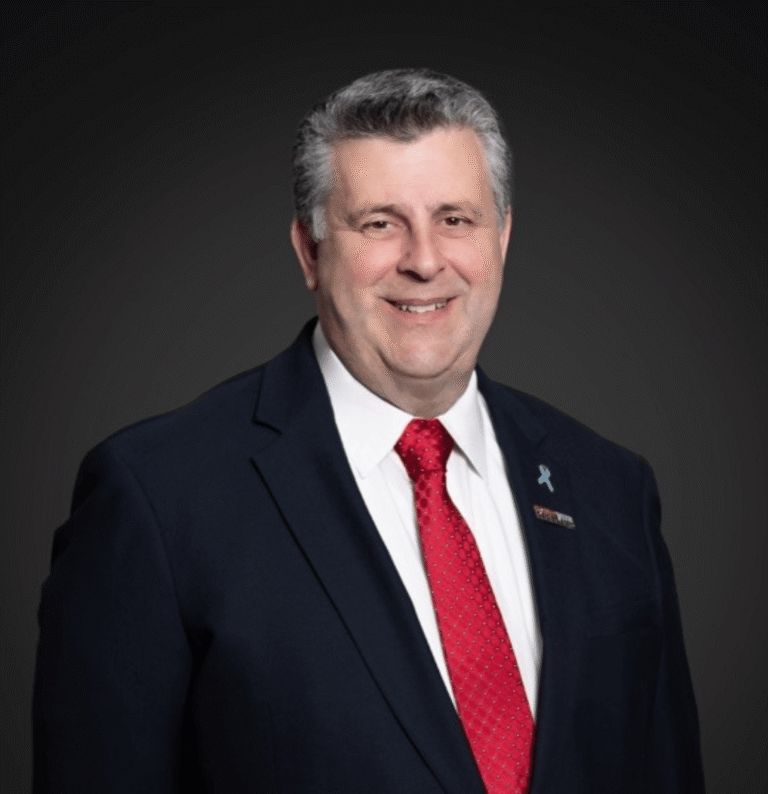
Tony Montalto
President
Stand with Parkland – The National Association of Families for Safe Schools
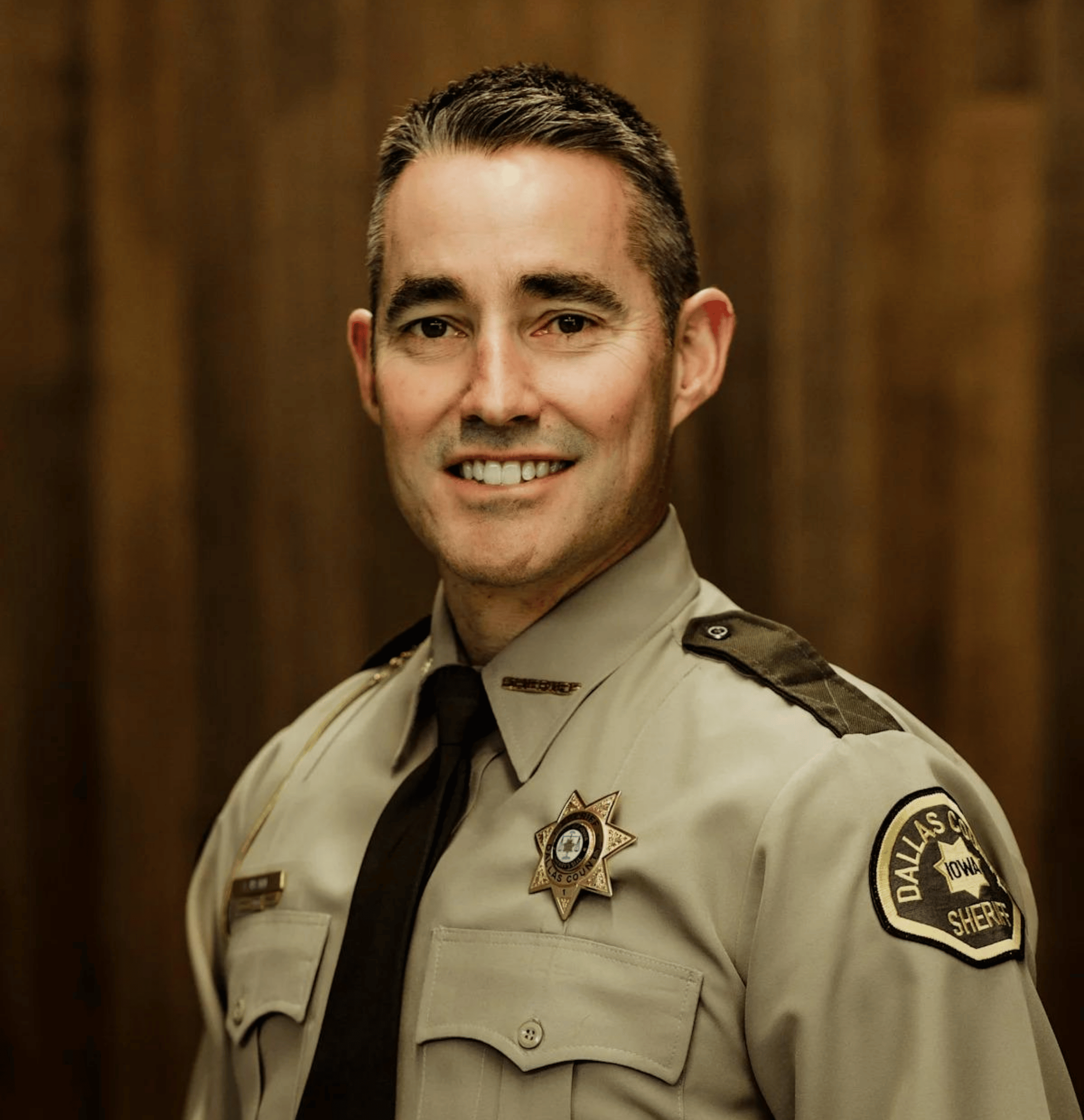
In this session, Tony Montalto from Stand with Parkland will share his daughter Gina’s story, reflecting on his family's loss and turning pain into purpose, drawing on lessons from aviation safety: prevention, training, and vigilance. This presentation will examine lessons learned from Parkland, including missed warning signs, security failures, and the vital need for coordinated prevention, before outlining the "School Safety Triad": secure campuses, mental health support, and responsible firearms ownership. Attendees will explore legislative progress and resources, alongside practical prevention strategies and actionable safety measures, ranging from parent communication and staff training to family reunification planning and effective law enforcement response.
Anatomy of a School Shooting: Perry, Iowa
9:15 AM – 10:15 AM

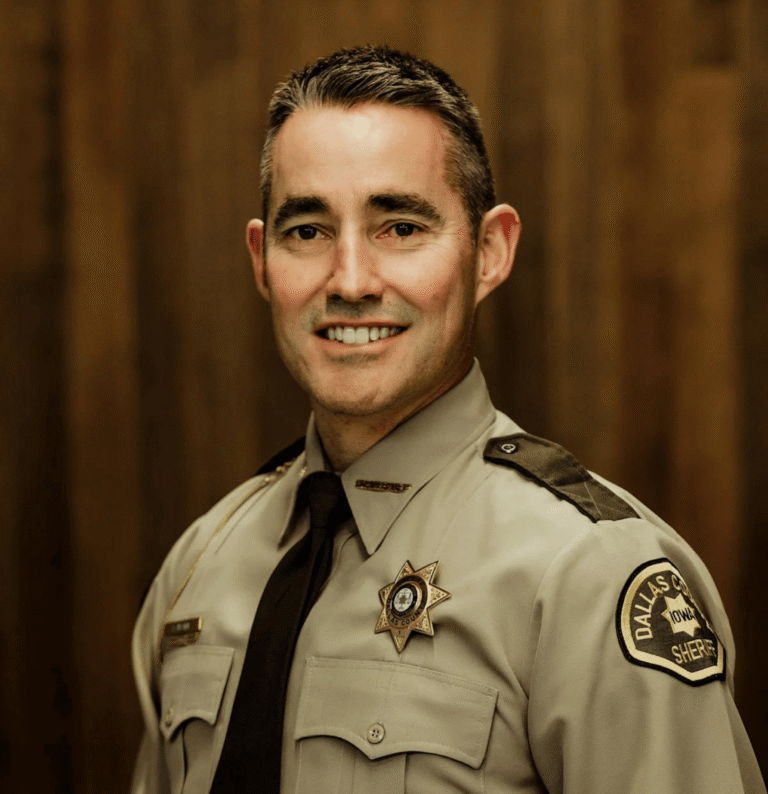
Sheriff Adam Infante
Sheriff
Dallas County Sheriff's Office
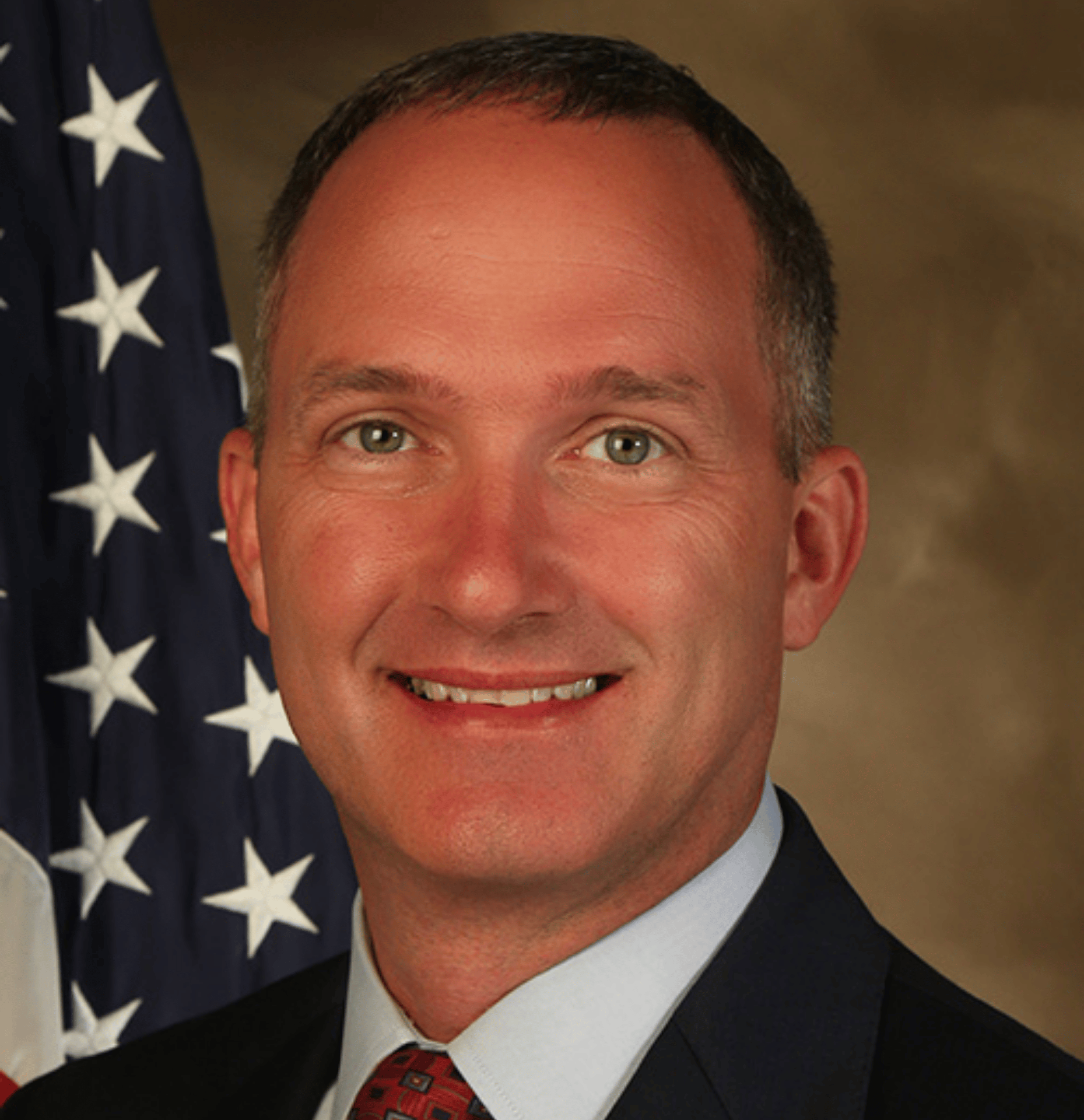
SAC Adam DeCamp
Special Agent in Charge
Iowa Division of Criminal Investigation
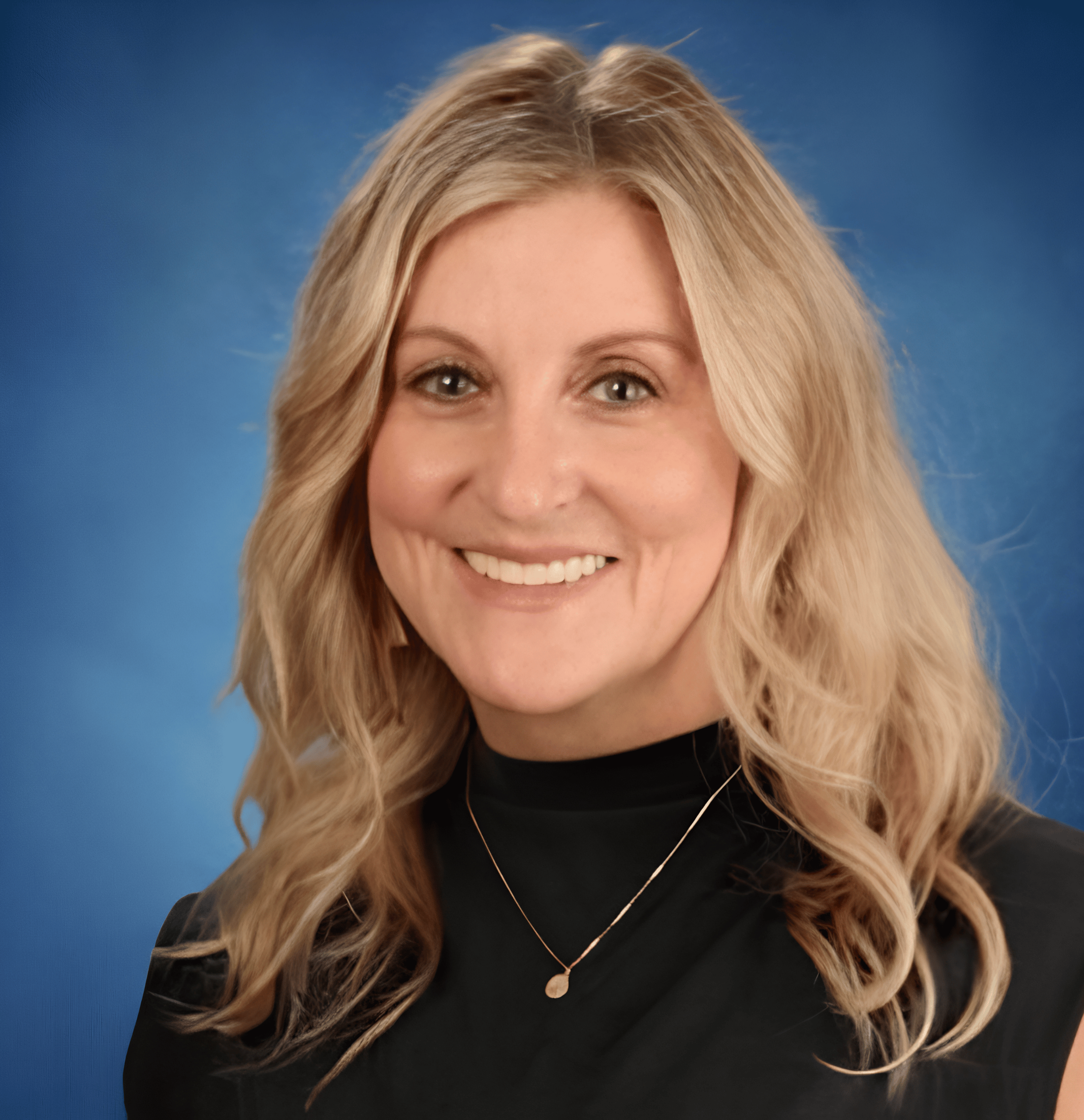
On January 4, 2024, Perry, Iowa, joined a list of communities forever changed by a shooting in the hallways of a school building.
Drawing on firsthand experiences, this presentation takes participants beyond the headlines to explore what happened before, during, and after the shooting. By examining critical decisions, unforeseen challenges, lessons learned, and extraordinary acts of courage, the presentation offers a candid look at the complexities of a tragedy that unfolded in minutes, but whose impact will endure for generations.
This is not a presentation about assigning blame or finding fault. It is an opportunity to share experiences, challenge assumptions, and offer perspectives that may help other communities better prepare for, respond to, and recover from the unimaginable.
Morning Break
10:15 AM – 10:30 AM
PANEL
Panel Session
10:30 AM – 11:15 AM

CEIA

Allegion

COSECURE
Organized crime and gangs prey upon citizens and exploit our communities. These groups commit murder, rape, extortion, assault, deal drugs, and radicalize our youth. Structural, social, and economic issues like poverty, inequality, and unemployment contribute to immigrant populations fleeing their nations in search of hope in new countries. Sadly, organized crime and gangs see opportunity in these mass migrations, embedding themselves in the new migrant communities. They then expand their criminal enterprises in the new communities and spread fear and violence. This discussion will provide an overview of known Latin American Syndicates that have found footholds in Canada. It will also provide methods of identification and provide strategies for response.
Session TBD
11:15 AM – 12:00 PM

James Englert
President
National Association of School Resource Officers
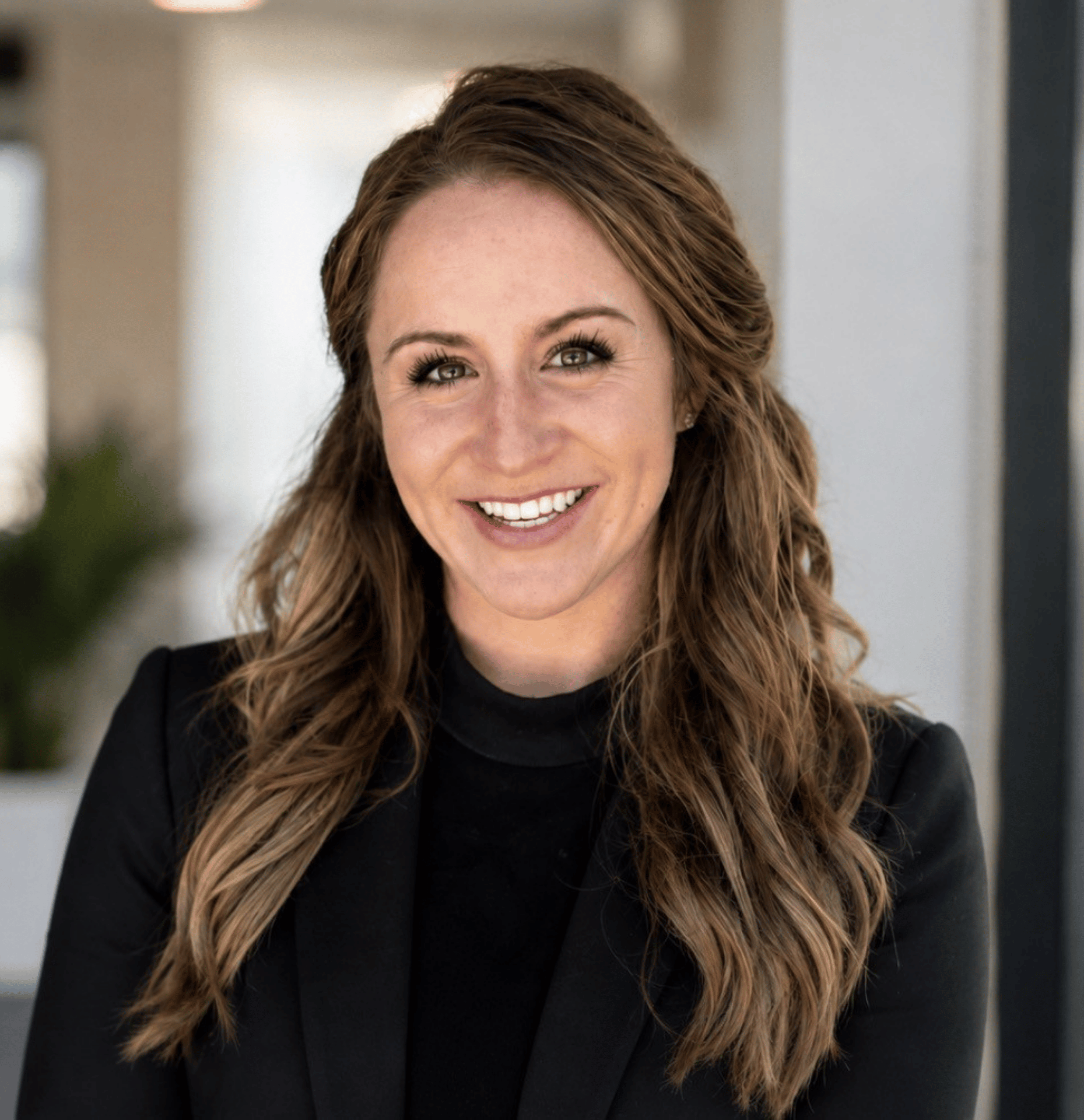
The day we train for…and things you don’t expect. Hear the details of the shooting at Arapahoe High School in Centennial from the SRO on scene. What events occurred prior to 12/13/13. Hear dispatch tapes from during the event and tactics used. Learn what worked and didn’t work during the lockdown and reunification. Hear directly from the Deputy that was on scene. Join us for an in-depth, firsthand account of the Arapahoe High School shooting in Centennial. Hear directly from the School Resource Officer who was on scene as he walks through the critical events leading up to December 13, 2013. Experience actual dispatch audio from the incident, gain insight into the tactics used, and learn what proved effective—and what didn’t—during the lockdown and reunification process. This is a rare opportunity to learn from the deputy who lived.
Lunch
12:00 PM – 1:00 PM
1:00 PM – 2:00 PM
Reading the Warning Signs: Digital Leakage, Threat Assessment, and Prevention in K-12 Schools

Dr. Angi Meyer
Public Safety Manager
Beaverton School District
Research consistently demonstrates that individuals planning violence often communicate their intentions before acting. In today’s environment, those warning signs frequently emerge online. This presentation explores the intersection of digital leakage, behavioral threat assessment, and violence prevention in K-12 settings. Through real-world examples and lessons learned from school investigations, participants will gain practical strategies for turning online warning signs into opportunities for intervention, support, and prevention.
Indicators to Intervention: Understanding Gang Activity in Schools

Hunter Mcleod
Senior Director & School Safety Coordinator
Regional School Safety Center | North Central ESD 171

Shelby Jensen
Safety Center Coordinator
ESD 123
Gang involvement is about far more than colors, symbols, or hand signs. This session explores current trends in youth gang activity, how gang-related behaviors may appear in schools and online, and the factors that can increase a young person’s vulnerability to involvement. Participants will move beyond simply identifying indicators to discuss practical prevention and intervention strategies, including how to approach conversations with students when concerns arise. The session will also examine how unaddressed gang-related behaviors can affect school climate, culture, and perceptions of safety among both students and staff. Attendees will leave with a clearer understanding of what to look for, how to start the conversation, and what to do next
By the end of this session, participants will be able to:
- Identify current trends, behaviors, and indicators associated with youth gang involvement in school and online environments.
- Differentiate between observable gang-related indicators and assumptions, examining how bias and stereotypes can contribute to over-identification or misinterpretation of student behavior.
- Recognize risk and protective factors that may influence a young person’s vulnerability to gang involvement, including connection, belonging, peer influence, and trusted adult relationships.
- Apply practical, nonjudgmental conversation and response strategies when concerns arise, while considering how timely intervention can support the individual student and strengthen overall school climate, culture, and perceptions of safety.
Afternoon Break
2:00 PM – 2:15 PM
2:15 PM – 3:30 PM
Reading the Warning Signs: Digital Leakage, Threat Assessment, and Prevention in K-12 Schools

Michele Gay
Co-Founder & Executive Director
Safe and Sound Schools
Research consistently demonstrates that individuals planning violence often communicate their intentions before acting. In today’s environment, those warning signs frequently emerge online. This presentation explores the intersection of digital leakage, behavioral threat assessment, and violence prevention in K-12 settings. Through real-world examples and lessons learned from school investigations, participants will gain practical strategies for turning online warning signs into opportunities for intervention, support, and prevention.
After the Incident

Rob Rai
Executive Senior Manager
Safer Schools Together
Gang involvement is about far more than colors, symbols, or hand signs. This session explores current trends in youth gang activity, how gang-related behaviors may appear in schools and online, and the factors that can increase a young person’s vulnerability to involvement. Participants will move beyond simply identifying indicators to discuss practical prevention and intervention strategies, including how to approach conversations with students when concerns arise. The session will also examine how unaddressed gang-related behaviors can affect school climate, culture, and perceptions of safety among both students and staff. Attendees will leave with a clearer understanding of what to look for, how to start the conversation, and what to do next
By the end of this session, participants will be able to:
- Identify current trends, behaviors, and indicators associated with youth gang involvement in school and online environments.
- Differentiate between observable gang-related indicators and assumptions, examining how bias and stereotypes can contribute to over-identification or misinterpretation of student behavior.
- Recognize risk and protective factors that may influence a young person’s vulnerability to gang involvement, including connection, belonging, peer influence, and trusted adult relationships.
- Apply practical, nonjudgmental conversation and response strategies when concerns arise, while considering how timely intervention can support the individual student and strengthen overall school climate, culture, and perceptions of safety.
Afternoon Break
3:30 PM – 3:45 PM
Session TBD
3:45 AM – 4:30 PM

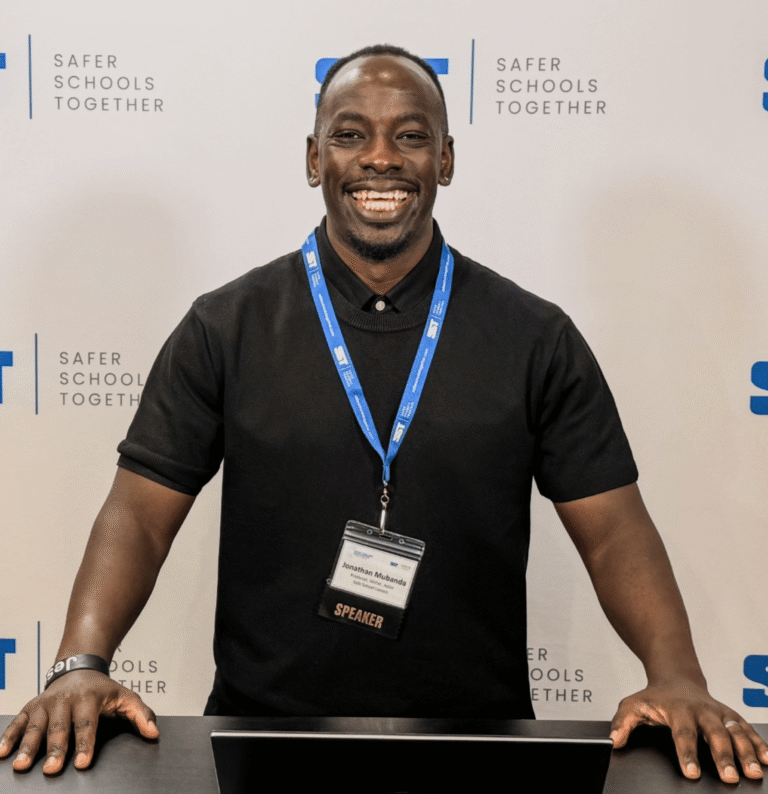
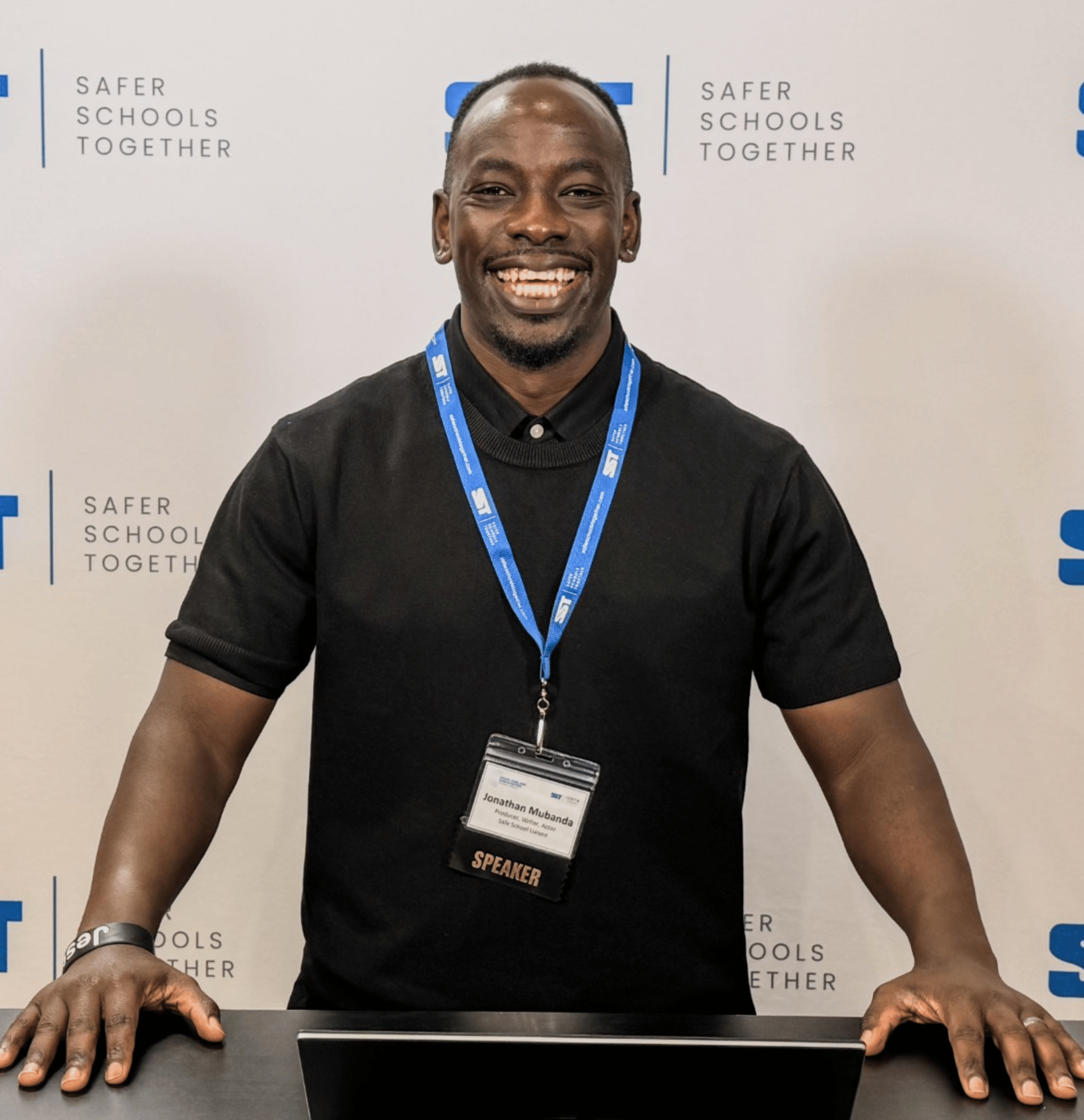
Jonathan Mubanda
Producer, Writer, & Safe School Liaison
As digital engagement increases and online communities expand, high-risk and vulnerable individuals along the pathway to violence are becoming increasingly susceptible to manipulation, influence, and radicalization. Extremist ecosystems such as True Crime Communities (TCC), 09A, 764, The Com, Nihilistic Violent Extremist (NVE) networks, and other fringe online spaces can reinforce harmful ideologies, normalize violence, and accelerate the evolution along the pathway to violence. Because digital behaviors frequently have real-world implications, assessing digital behavior has become an essential component of modern threat assessment.
Closing Ceremonies
4:30 PM – 4:45 PM